
Destination
Uppspuni Mini Mill & Yarn Shop
I got a internship place from Hella, Iceland, to learn woolwork, sheep farming, and some handcrafting. Studying ancient craftmanship, I got into the Erasmus Plus-programme, and booked my flights. The three following posts will be about my experiences, and learnings there. All photos in this blog are taken by me, unless the photo text says otherwise.
The journey
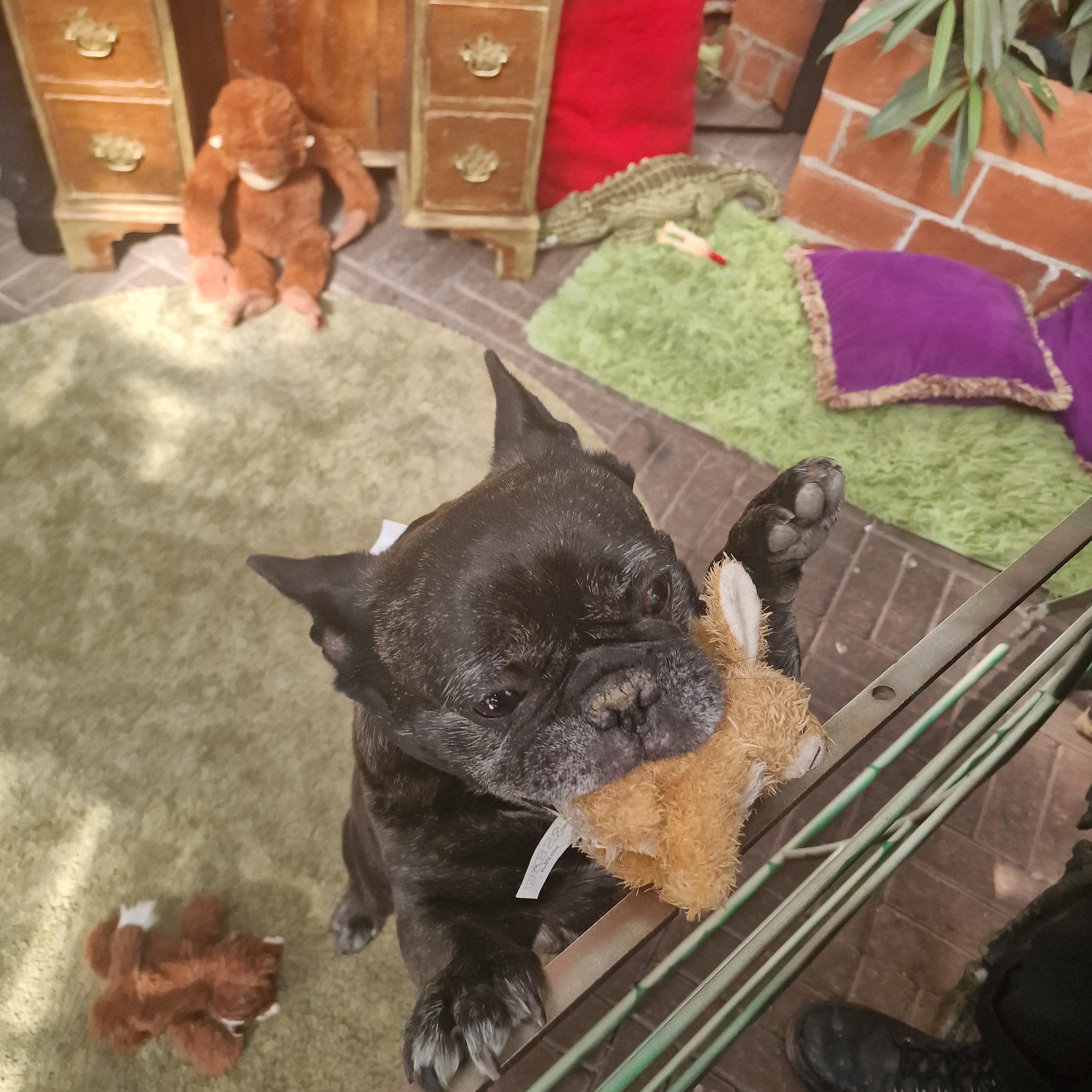
1st of May. After three cups of coffee, I was all packed up and ready to go. With my backpack, I took a bus to meet my good friend, who kindly drove me to Helsinki. On the way there, we stopped at a this awesome general store, Kasvihuoneilmiö. Now this is important, because we met Frank the frenchie there.
After that, it was straight to the airport. I was a lot less lost there, than I was expecting. The flight took 3h and 40 minutes. This felt like a weird timeloop, since Iceland is 3 hours later in time. The plane landed in Keflavik, from where I had to hop into a buss to Reykjavik. This was easy. In Reykjavik, however, I was supposed to catch another two buses to Selfoss/Hella. A nice bus driver man told me to not get my hopes up, since it was a holiday, and evening. Luckily the last bus of the day, was able to take me to my destination. I was picked up at Selfoss, and we drove 20 minutes to the house I would be staying two months in. I met my host family, and they have been so interesting to talk, and learn with. I can safely say, I will enjoy my time here. I’ll try to learn as much as I can, about any subject that comes to mind.
First day
The following day, was Thursday. We were able to start my orientation at the Mini Mill. But first, more importantly, I got to meet all of the friends at the farm. Meaning animals, ofcourse. I was positively surprised to see the wide variety of residents. Lambs, cows, goats, chicken, one cat, beautiful Icelandic horses (of which I saw hundreds of just from the bus widow), and even ducks! I was amazed. The family dog, Demma, is amazing. She keeps me company daily. (In Icelandic, the word demma means darkness.)
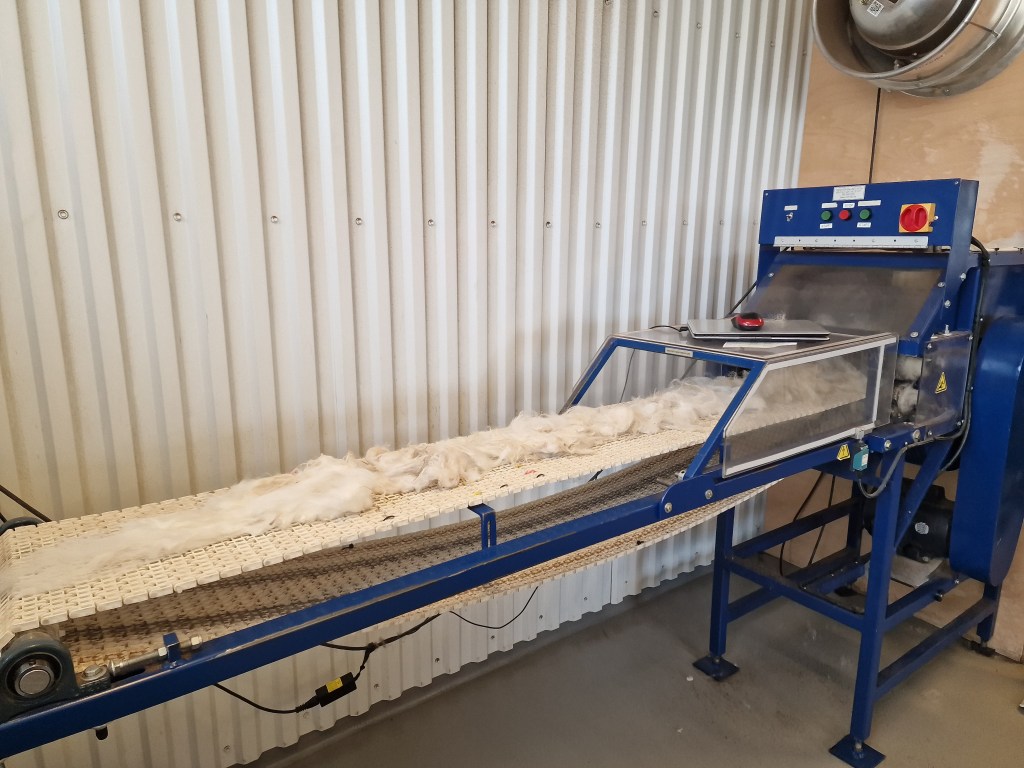
Now to the orientation. I didn’t know what to expect, since I had no experience of such work. I was talked through the process. First, the wool is washed for a few hours in a factory washing machine. Then the wool goes through the wool seperator, then the fiber seperator, and finally, the carding machine. These make the wool feel soft, and fluffy. While also removing the rest of the sand, and dirt. After that, the wool goes to the spinning machine, and is produced to yarn. I was only using the first two machines on my first day.


In Uppspuni, there are no chemicals used during the process, and there will be no waste, because dirty, unusable wool, is used as fertilizer for trees. (In Iceland the long hay in fields, makes it hard for trees to grow. Putting wool around the trunk, gives the tree space to breath, and grow.) There are many sustainable ways in use at the farm. I’ll try to talk more about them in my following posts as well.
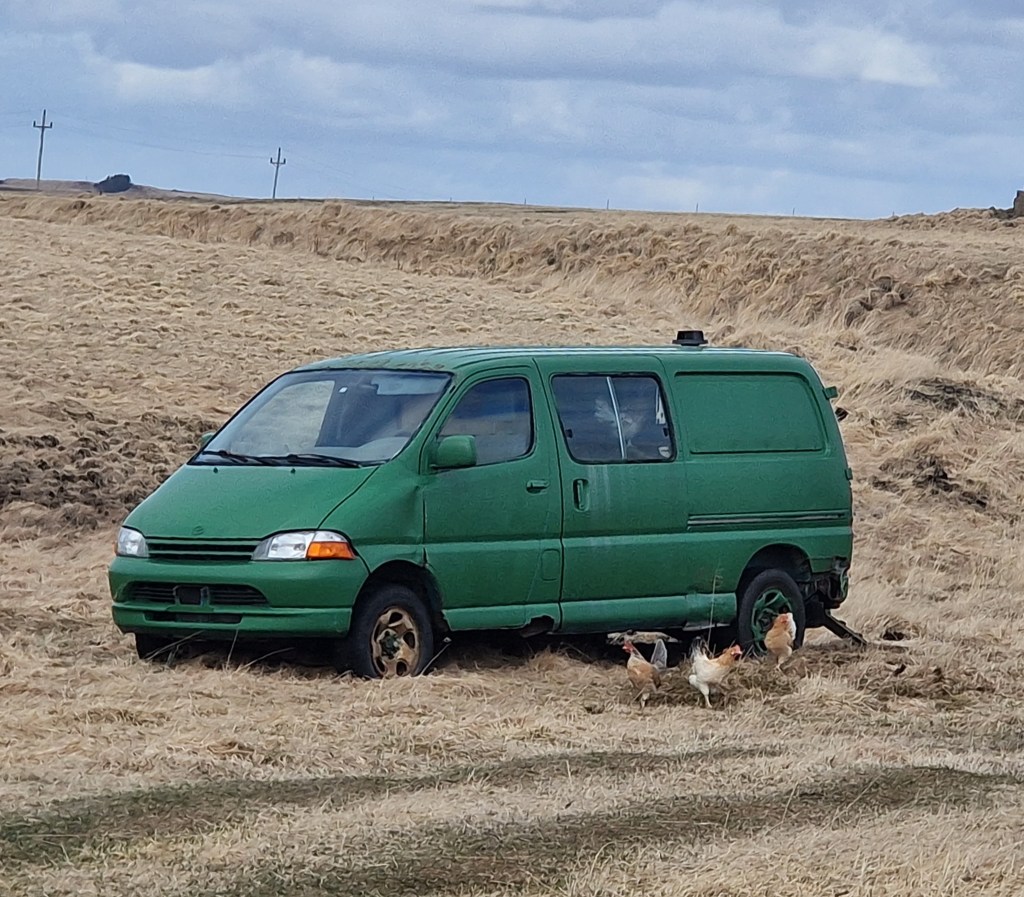
Another interesting thing I saw, was a moving coop. Allow me to explain that as well. The cows at the farm, are moved often to another location to eat, and fertilize the land. The coop (that is just a van on wheels) is supposed to be moved behing the cows. The hens then attack the manure (dung) left by the cows, spreading it all over the fields. At the same time eating away nasty bugs that annoy the cows. I had never heard of such vehicle.
Second day
My second day at the job, was pretty much repeat. I met so many new people, whose names I while never remember. Icelandic names can be quite hard to recall. After work, I got to go to the farm, and learn about sheep farming. It is lambing season, so the new lambs needs to be marked with an ear tag. It was not the nicest thing to watch. However, it was quickly done, and the lambs were fine, and got scratches and kisses right after.
In Iceland, many farms send their sheep to the mountains for the summer. It’s a big part of their culture. These sheep need to be marked, so that they can be recognized from the others.
There is another reason too. Scrapie, is a fatal nervous system disease in sheep and goats. It did not exist in Iceland until 2020, when one case was found. Today, the laws regarding sheepkeeping, are very strict. If one farmer, could not identify their sheep, this sheep would go straight to slaughter. If scrapie was found at a farm, the entire herd would be sent to slaughter, all of the farms hay would be destroyed, and the whole farm had to be sanitized. The farmer also wouldn’t be allowed to keep sheep for four years. These are the reasons for earmarking the lambs. The sheep that stay at the farm however, won’t need to be marked.

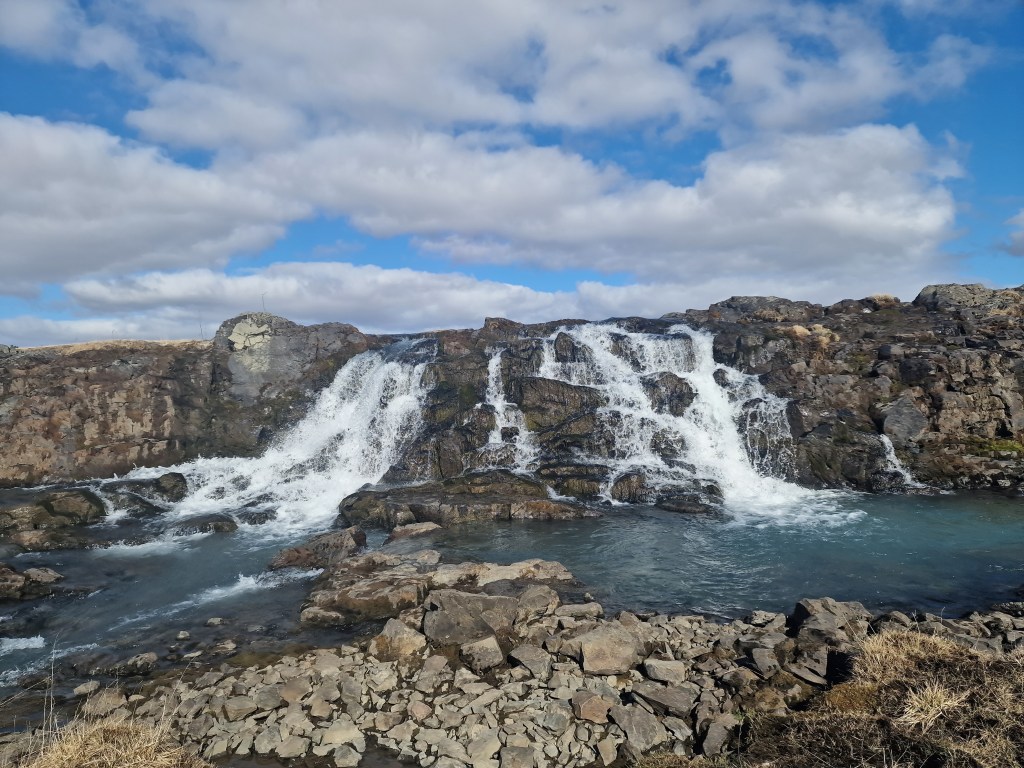
In the evening, I went to see the waterfall in the backyard of the farm. (It took me an hour to walk there), but yes, that truly was the backyard. The waterfall is called Urriðafoss, and is the most voluminous waterfall in Iceland. The photos could not capture the beauty, but I’ll put them here anyway. The next chapter, will have even more waterfalls as we get into my Sunday roadtrip.

Weekend
It was a short week, and finally time to adventure further. But before Sunday, was Saturday. I was pretty tired after so many new things, new people, and listening to a new strange language. So I decided to listen to some more of this strange language. I downloaded the Drops app, and started on the basics. I know now that hundur means dog, and morningur, morning. After hearing bless many many times, I figured that means bye. Simple words, but understanding speech seems very much impossible. For now.
I’m lucky to be able to borrow a car here. There’s so much to see here, but everything is too far to walk to. Good for a long hike, maybe. The nights are still too cold to hike, and go camping, but I am hoping to do that as well next month.
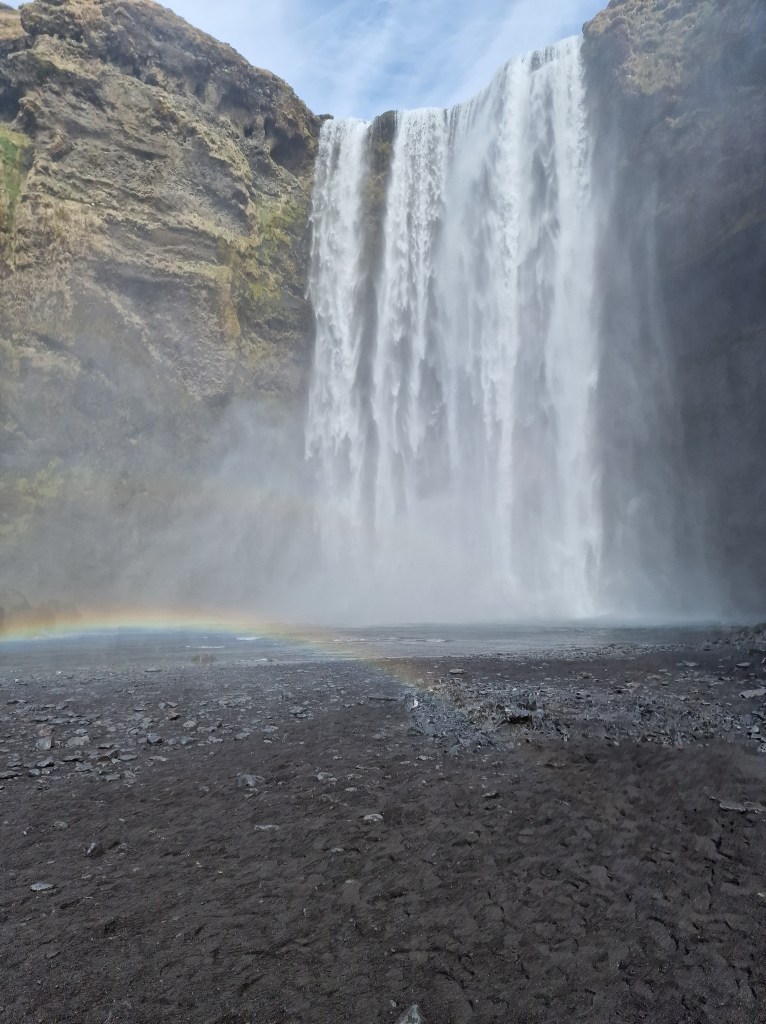
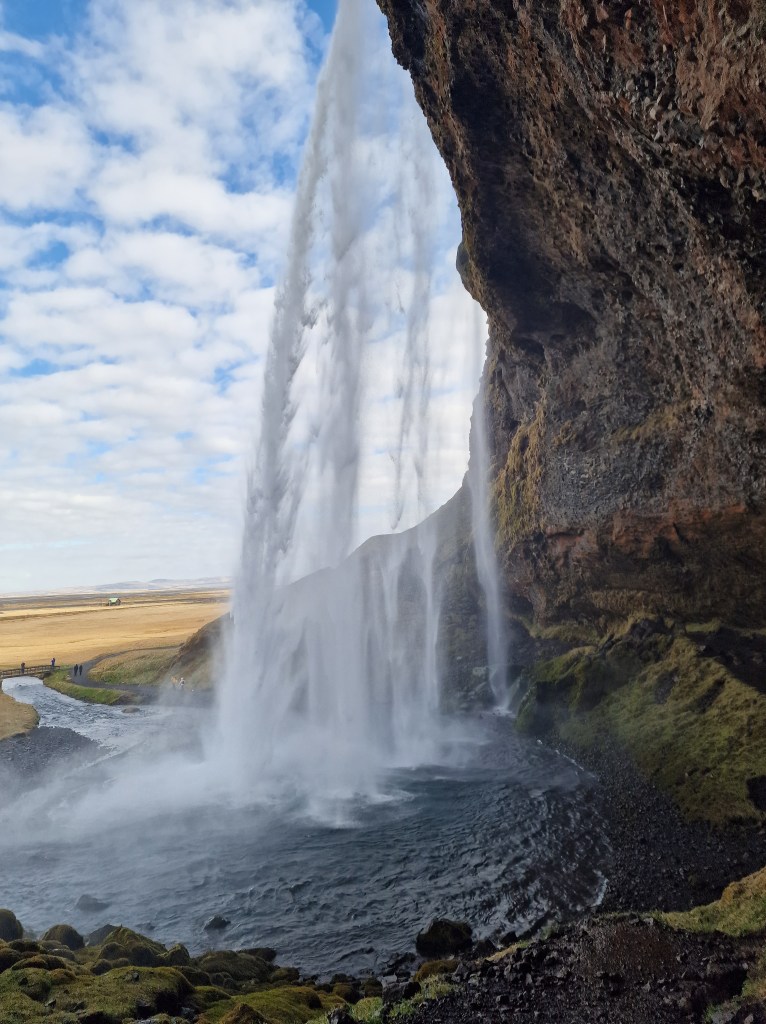
For this trip, I hopped into a car. After checking the closest destinations, (and prices), I decided to go to Skógar, and check out this one homestead museum (Skógasafn). It took me an hour to drive there, but it was well worth the trip. I drove on the shore, past four pretty cool waterfalls. One of them (Skógafoss) had a path that led behind the flow. I was again, amazed.
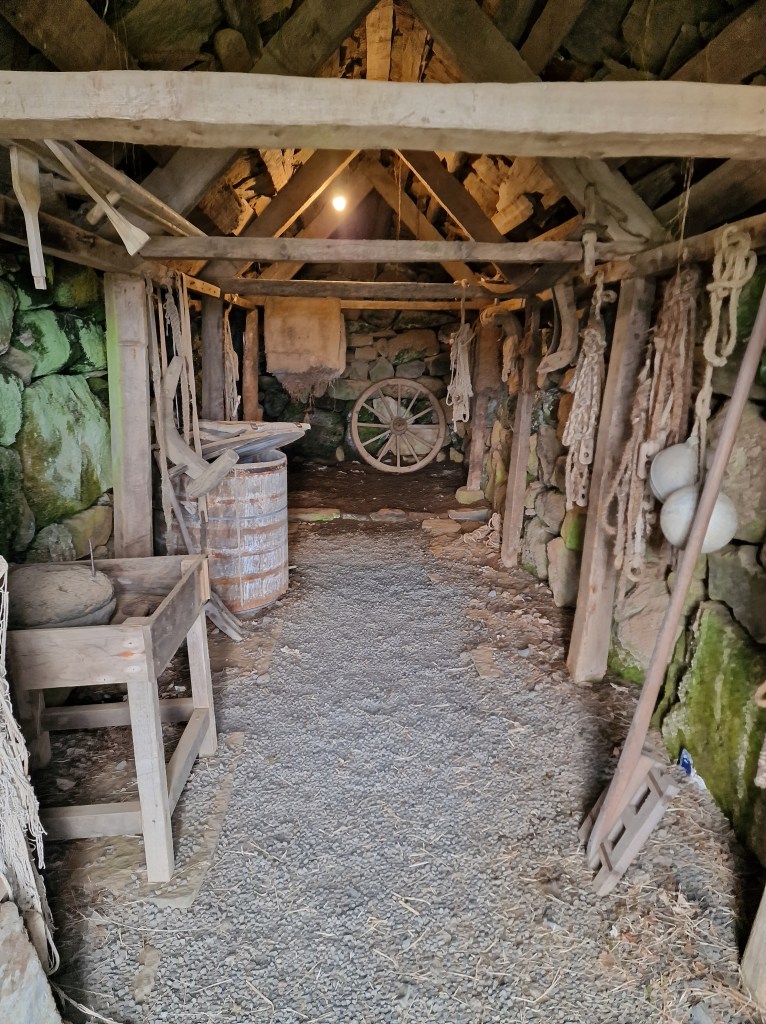
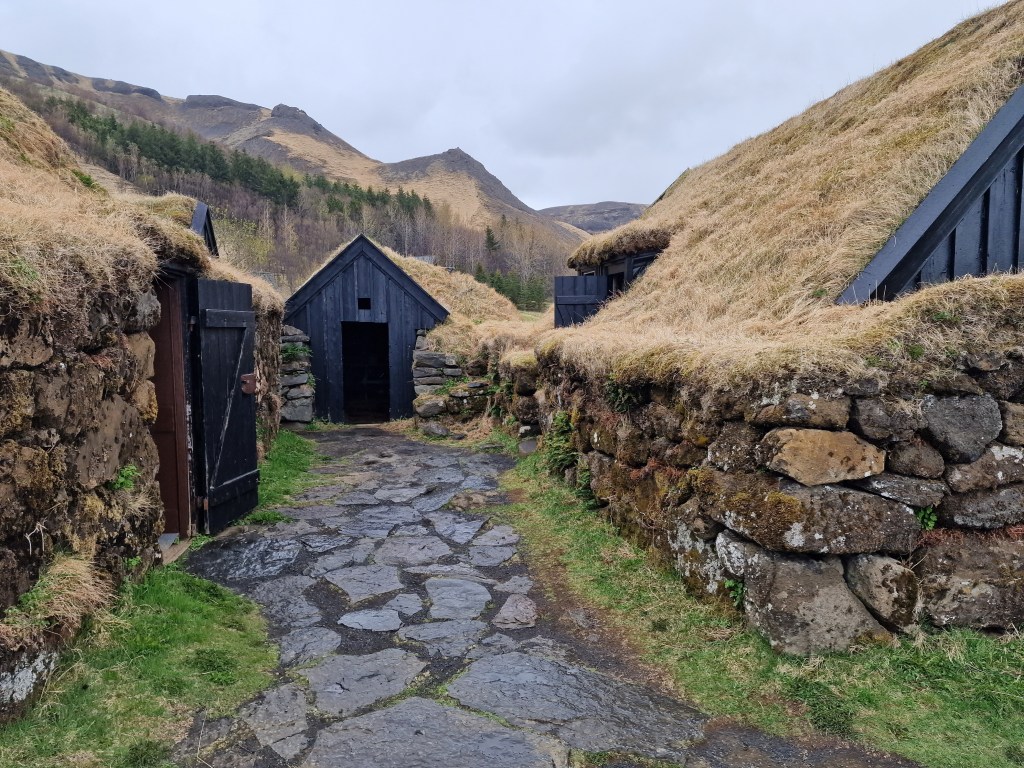
I reached the museum. I came to see the turf houses, that were still used in the 20th century. This was mainly because Iceland had been so isolated for so long. Life here was rough. Iceland was under Denmarks control, so most supplies they got, came from Danish merchants. No trees were growing, so building material was mainly driftwood, lava rock, and turf. Turf also worked as great insulation for the cold climate. These houses also had adorable grass roofs. You can still find many old turf houses from the countryside. Many are still used as storage rooms.
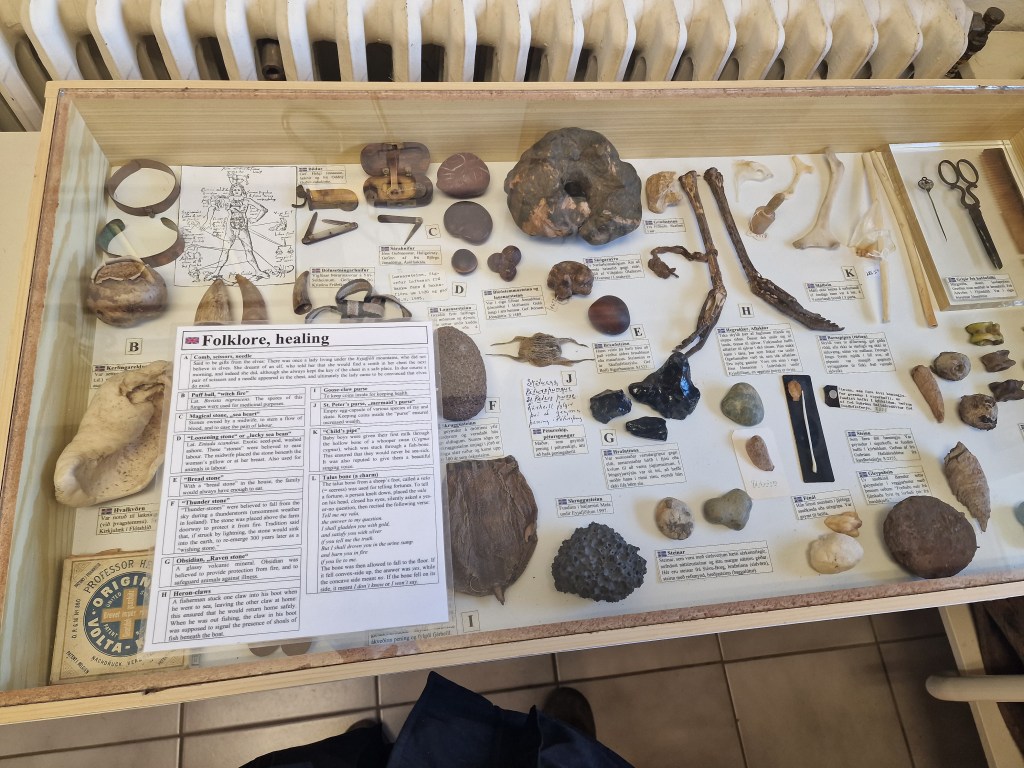
The museum also had a wide variety of items from old times. One collection caught my eye. A display of folklore items. It was interesting to read about the use of these strange objects. One item was heron claws. A fisherman would put one of these foots in his boot, when leaving to sea. The other, he would leave at home, to ensure safe return. I also saw a convenient looking spinning wheel, and so much more.

 Raseko International
Jätä kommentti